
Hidradenitis Suppurativa (HS) and acne are both skin conditions that cause painful, inflamed bumps, but they are fundamentally different in their causes, progression, and impact on the body. Because they share some similar symptoms—such as pimples, blackheads, and abscess-like lumps—many people with HS are misdiagnosed with severe acne at first. However, HS is a chronic inflammatory condition that goes beyond clogged pores and breakouts. It can lead to deep abscesses, scarring, and sinus tract formation beneath the skin, making it far more severe and difficult to treat than typical acne.
One of the biggest distinctions between HS and acne is where the symptoms appear on the body. Acne is most common on the face, chest, and upper back, where oil glands are most active. HS, on the other hand, tends to develop in areas where skin rubs together, such as the armpits, groin, under the breasts, inner thighs, and buttocks. The placement of these lesions is an important clue that helps differentiate HS from standard acne breakouts.
The nature of the bumps also differs significantly. Acne lesions include blackheads, whiteheads, papules, pustules, and cysts, which form when hair follicles become clogged with oil and bacteria. These bumps may cause inflammation but usually heal over time without long-term complications. HS lesions, however, start as deep, painful nodules that can rupture, drain, and eventually form tunnels under the skin. These tunnels, called sinus tracts, do not heal easily and often lead to permanent scarring and skin thickening.
Another key difference is how the conditions progress over time. Acne can vary in severity, but even in its most extreme form, it is often treatable with topical treatments, oral medications, and skincare routines. HS, however, is a progressive disease that tends to worsen if left untreated. Many people with HS experience recurring flare-ups in the same areas, and over time, the inflammation causes irreversible damage to the skin.
Understanding whether you have acne or HS is crucial for getting the right diagnosis and treatment. Misdiagnosing HS as acne can lead to delayed medical intervention, allowing the disease to progress and cause more complications. In this article, we will explore the major differences between HS and acne, including their causes, symptoms, risk factors, and treatment options, so that individuals experiencing painful skin flare-ups can better understand their condition and seek the appropriate care.
Acne: Causes, Symptoms, Risk Factors, and Treatment Options
Acne is one of the most common skin conditions, affecting people of all ages but most frequently occurring during puberty and young adulthood. It develops when hair follicles become clogged with oil, dead skin cells, and bacteria, leading to inflammation and the formation of pimples, blackheads, and cysts. While acne is often associated with teenagers, many adults also experience breakouts due to hormonal imbalances, stress, and environmental factors. Understanding its causes, symptoms, and treatment options can help individuals manage the condition effectively.
Causes of Acne
Acne develops due to a combination of factors that lead to clogged pores and inflammation. The main causes include:
- Excess oil production – The skin naturally produces sebum (oil) to keep it hydrated, but overproduction can clog pores, creating an environment where bacteria can thrive.
- Dead skin cell buildup – Normally, dead skin cells shed from the surface of the skin, but in acne-prone individuals, they can mix with oil and block hair follicles.
- Bacterial overgrowth – The bacteria Propionibacterium acnes (now known as Cutibacterium acnes) live on the skin and can multiply in clogged pores, leading to infection and inflammation.
- Hormonal changes – Androgens, a type of hormone, increase during puberty and stimulate excess oil production. Hormonal fluctuations related to menstruation, pregnancy, and conditions like polycystic ovary syndrome (PCOS) can also trigger breakouts.
- Genetics – A family history of acne increases the likelihood of developing the condition, as genetic factors influence oil production and skin cell turnover.
Symptoms of Acne
Acne can appear in different forms, ranging from mild to severe. The most common symptoms include:
- Blackheads (open comedones) – Small, darkened pores caused by clogged hair follicles exposed to air.
- Whiteheads (closed comedones) – Small, flesh-colored bumps that form when a clogged pore remains sealed.
- Papules – Small, red, inflamed bumps that do not contain pus.
- Pustules – Red, swollen pimples filled with white or yellow pus.
- Nodules – Large, painful lumps deep under the skin that do not come to a head.
- Cysts – Soft, pus-filled lesions that can cause scarring if they rupture.
Acne most commonly appears on the face, chest, shoulders, and upper back, where oil glands are more active. Severe cases can lead to permanent scarring and dark spots, particularly if the lesions are picked or squeezed.
Risk Factors for Acne
Several factors can increase the likelihood of developing acne, including:
- Hormonal fluctuations during puberty, menstruation, pregnancy, or due to conditions like PCOS.
- Genetics, as acne often runs in families.
- Use of oily skincare and cosmetic products that clog pores.
- High-glycemic diets, including foods rich in refined sugars and dairy, which may trigger breakouts in some individuals.
- Certain medications, such as corticosteroids, birth control pills, or lithium.
- High stress levels, which can increase oil production and worsen inflammation.
Treatment Options for Acne
Acne treatment depends on the severity of the condition and the underlying causes. Common treatment options include:
- Topical treatments – Over-the-counter products containing benzoyl peroxide, salicylic acid, or retinoids help reduce oil production and exfoliate dead skin cells.
- Oral medications – Antibiotics such as doxycycline and minocycline can help reduce bacterial growth and inflammation. For severe cases, isotretinoin (Accutane) is prescribed to shrink oil glands and prevent severe breakouts.
- Hormonal therapy – For individuals with hormonal acne, birth control pills or anti-androgen medications like spironolactone may help regulate oil production.
- Professional treatments – Dermatologists may recommend chemical peels, laser therapy, or extractions to help improve skin texture and prevent breakouts.
- Lifestyle modifications – Maintaining a consistent skincare routine, avoiding pore-clogging products, reducing stress, and following a balanced diet can help manage acne long-term.
Although acne is not a life-threatening condition, it can have a significant impact on self-esteem and mental health. Seeking early treatment can help prevent severe breakouts, scarring, and long-term skin damage.
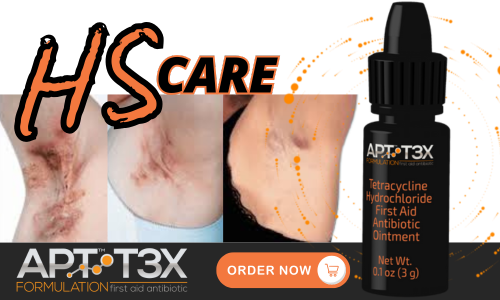
Hidradenitis Suppurativa (HS): Causes, Symptoms, Risk Factors, and Treatment Options
Hidradenitis Suppurativa (HS) is a chronic inflammatory skin condition that causes painful lumps, abscesses, and tunnels under the skin. It primarily affects areas where skin rubs together, such as the armpits, groin, thighs, under the breasts, and buttocks. Unlike acne, which is caused by clogged pores and bacterial infections, HS is an autoinflammatory condition in which the body’s immune system overreacts, leading to excessive inflammation and tissue damage.
Because HS can initially appear as pimples, cysts, or blackheads, it is often mistaken for severe acne, leading to delayed diagnosis and treatment. However, HS is a progressive disease that worsens over time, causing deep abscesses that rupture, drain pus, and eventually form permanent scars. Early recognition and treatment are essential to managing symptoms and preventing complications.
Causes of HS
The exact cause of HS is not fully understood, but it is believed to result from an overactive immune response that triggers excessive inflammation around hair follicles. Unlike acne, which is caused by oil buildup and bacterial growth, HS develops when hair follicles become blocked, leading to a chronic inflammatory response.
Several factors contribute to HS development, including:
- Genetics – HS often runs in families, suggesting a hereditary component.
- Immune system dysfunction – The body mistakenly attacks hair follicles, leading to chronic inflammation.
- Hormonal influences – Symptoms often worsen during puberty, menstruation, pregnancy, or menopause.
- Obesity and friction – Excess weight increases skin rubbing, which can worsen symptoms.
- Smoking – Tobacco use has been strongly linked to increased HS severity.
Symptoms of HS
HS symptoms vary from person to person but typically progress over time. The most common symptoms include:
- Painful lumps under the skin, often resembling deep pimples or boils.
- Abscesses that rupture and drain pus, sometimes with an unpleasant odor.
- Sinus tracts (tunnels) that form under the skin, connecting abscesses and causing chronic wounds.
- Recurring flare-ups in the same areas, leading to scarring and thickened skin.
- Blackhead-like lesions, often appearing in clusters in affected areas.
Unlike acne, HS lesions tend to be deep, painful, and slow to heal, and they frequently reappear in the same locations.
Risk Factors for HS
Certain factors increase the risk of developing HS, including:
- Family history of HS
- Obesity, which can increase inflammation and skin friction
- Smoking, which is associated with worsening HS symptoms
- Hormonal fluctuations, particularly during puberty, pregnancy, or menopause
- Other inflammatory conditions, such as Crohn’s disease or metabolic syndrome
How HS Gets Mistaken for Acne
HS is commonly misdiagnosed as acne due to its pimple-like appearance in early stages. However, there are key differences:
- Location – HS primarily affects the armpits, groin, and under the breasts, whereas acne is most common on the face, back, and chest.
- Depth and severity – HS lesions are deeper and more painful than acne breakouts.
- Chronic nature – Unlike acne, which fluctuates with oil production, HS lesions tend to reoccur in the same areas and worsen over time.
- Tunnels and scarring – HS often leads to sinus tracts and permanent skin damage, while acne usually heals with minimal scarring unless severe.
Treatment Options for HS
Because HS is a progressive and chronic disease, early treatment is essential to managing symptoms. Treatment options include:
- Topical and oral antibiotics – Used to reduce inflammation and prevent infection.
- Biologic medications (such as Adalimumab/Humira) – Target inflammatory pathways to reduce flare-ups in moderate to severe cases.
- Hormonal therapy – Some people respond well to medications that regulate hormone levels, such as birth control pills or metformin.
- Surgical procedures – Incision and drainage, laser treatments, or wide excision surgery may be necessary for severe cases.
- Lifestyle modifications – Avoiding smoking, losing weight, and reducing friction in affected areas can help prevent flare-ups.
Unlike acne, which can often be managed with over-the-counter treatments, HS requires specialized medical care and long-term management. If left untreated, HS can lead to significant pain, scarring, and reduced quality of life. Seeking an accurate diagnosis and proper treatment is crucial for controlling the condition.
Conclusion: Understanding the Differences Between HS and Acne
Hidradenitis Suppurativa (HS) and acne may share some surface-level similarities, but they are fundamentally different conditions that require distinct approaches to diagnosis and treatment. While both can cause inflamed bumps, abscesses, and blackhead-like lesions, HS is a chronic inflammatory disease, whereas acne is primarily caused by clogged pores and bacterial overgrowth. Because HS is often mistaken for severe acne in its early stages, many individuals experience delayed diagnosis and improper treatment, allowing the disease to progress unchecked.
One of the key distinctions between HS and acne is where lesions appear on the body. Acne is most commonly found on the face, chest, and back, where oil glands are highly active. HS, however, develops in areas of skin friction, such as the armpits, groin, buttocks, under the breasts, and inner thighs. The deep, painful abscesses and tunnels that form in HS are rarely seen in acne, making location an important factor in identifying the condition.
The way these conditions progress over time also sets them apart. Acne, even in its severe forms, does not typically cause the formation of interconnected sinus tracts (tunnels) beneath the skin. In contrast, HS lesions frequently rupture, drain, and form permanent scars, leading to chronic wounds and restricted movement in severe cases. While acne can sometimes leave behind dark spots or mild scarring, HS can lead to disfiguring scars and thickened, hardened skin that worsens over time.
The causes and triggers of these conditions further highlight their differences. Acne is influenced by excess oil production, bacteria, and hormonal fluctuations, and it can often be managed with skincare routines, topical treatments, and oral medications. HS, however, is classified as an autoinflammatory disease, meaning that the immune system plays a central role in its development. Immune system dysfunction, genetic predisposition, smoking, obesity, and hormonal imbalances are all known to contribute to HS flare-ups. Because HS is not simply a matter of clogged pores, typical acne treatments like benzoyl peroxide, salicylic acid, and over-the-counter spot treatments are not effective in controlling the condition.
Proper diagnosis is essential, as treating HS with standard acne medications can be ineffective and lead to frustration and worsening symptoms. HS often requires more advanced treatments, including biologic medications, antibiotics, hormone therapy, and in severe cases, surgical interventions. Dermatologists and healthcare providers specializing in chronic inflammatory skin conditions are best equipped to diagnose and manage HS, ensuring that individuals receive the proper care for their condition.
Understanding the differences between HS and acne is critical for those experiencing persistent, painful skin lesions. Recognizing the signs early and seeking appropriate medical attention can prevent HS from progressing to more severe stages. If breakouts are deep, painful, reoccurring in the same locations, or not responding to acne treatments, it is essential to consult a dermatologist for further evaluation. By raising awareness about HS and how it differs from acne, individuals can get the right diagnosis, the right treatment, and better long-term management of their skin health.
Reviewing healthcare products is fast and easy. Give it a try with us!